

Before you start: have these three things to hand
You can complete a switch from your phone, but it goes faster if you grab these first:
- Your MPRN (Meter Point Reference Number) for electricity — an 11-digit number starting with "10", printed near the top of any electricity bill. It identifies your home's connection to the grid. For gas, the equivalent is your GPRN.
- A recent meter reading. Take a fresh reading the day you switch so your old and new bills line up cleanly with no estimated overlap.
- Your bank details (IBAN). Almost every cheapest plan requires payment by direct debit, and many give an extra discount for paperless billing on top.
That is it. You do not need to contact your current supplier — your new supplier handles the entire handover.
The five-step switch
- Check your contract end date. This is the most important step (see the exit-fee warning below). It is printed on your bill. Ideally you switch on or just after this date.
- Compare the market. Use an accredited comparison site — bonkers.ie and switcher.ie are the two best-known in Ireland — and sort by estimated annual cost for your usage, not by the headline discount percentage. A big discount off an expensive standard rate can still be worse than a smaller discount off a cheap one.
- Pick your plan and sign up online. Enter your MPRN/GPRN, meter reading and IBAN. This is the ten-minute part.
- Do nothing for 10–15 working days. The new supplier coordinates with the old one. You will get a welcome pack from the new supplier and a final bill from the old one.
- Set a reminder for 12 months from now. This is the habit that keeps the money coming. Discounts almost always last exactly one year, then revert to standard rates.
The exit-fee trap — read this before you click
Most Irish suppliers charge an exit fee of around €50 per fuel if you leave before your fixed contract ends. Switch both electricity and gas mid-contract and that is €100 gone — often wiping out the first months of your new saving.
The numbers vary by supplier:
- Community Power is currently the only supplier with no exit fee at all.
- Pinergy has the steepest structure — €11.25 for every month left on your contract, capped at €135.
- Most others sit around the €50-per-fuel mark.
Two ways to stay safe: either wait until your contract has expired before switching, or use the 14-day cooling-off period — by law you can cancel a new contract within 14 days without penalty if you change your mind.
Who are the suppliers worth comparing?
The Irish market has more competition than most people realise. The names you will see on comparison sites include Electric Ireland, Bord Gáis Energy, SSE Airtricity, Energia, Pinergy, Flogas, PrepayPower, Yuno Energy and Community Power, among others. Dual-fuel deals (electricity and gas with one supplier) sometimes carry an extra discount, but not always — compare single-fuel options separately and take whichever combination is cheapest overall.
Loyalty earns you nothing here. The customer who switched last week is on a better rate than the one who has been with the same company for five years, for the identical product down the same cable.
What about smart meters?
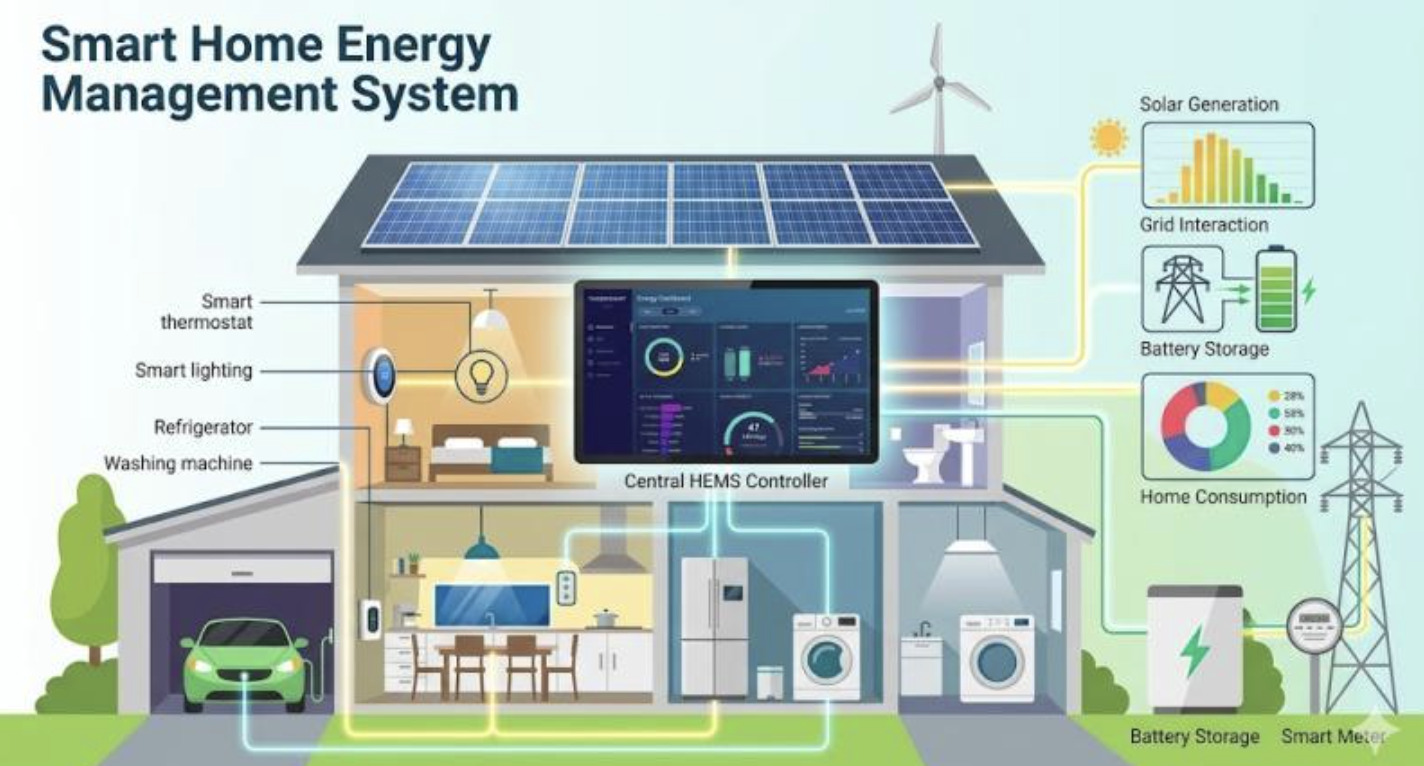
If you have a smart meter installed, switching also opens the door to time-of-use tariffs that charge less at off-peak hours. That is a separate optimisation worth doing once you have switched — but only if you can genuinely shift heavy usage (dishwasher, washing machine, EV charging) into the cheaper window. We cover the maths of that in a dedicated guide.
➡️ Related: Night-Rate and Smart Tariffs in Ireland — Who Actually Saves.
Your switching checklist
- Find your contract end date — avoid the €50/fuel exit fee
- Grab your MPRN/GPRN, a meter reading and your IBAN
- Compare by total annual cost on bonkers.ie or switcher.ie
- Sign up online (≈10 minutes)
- Diary a reminder to switch again in 12 months
That last line is the whole game. Switching once saves you a few hundred euro; switching every year turns it into a permanent discount that passive households never get.