
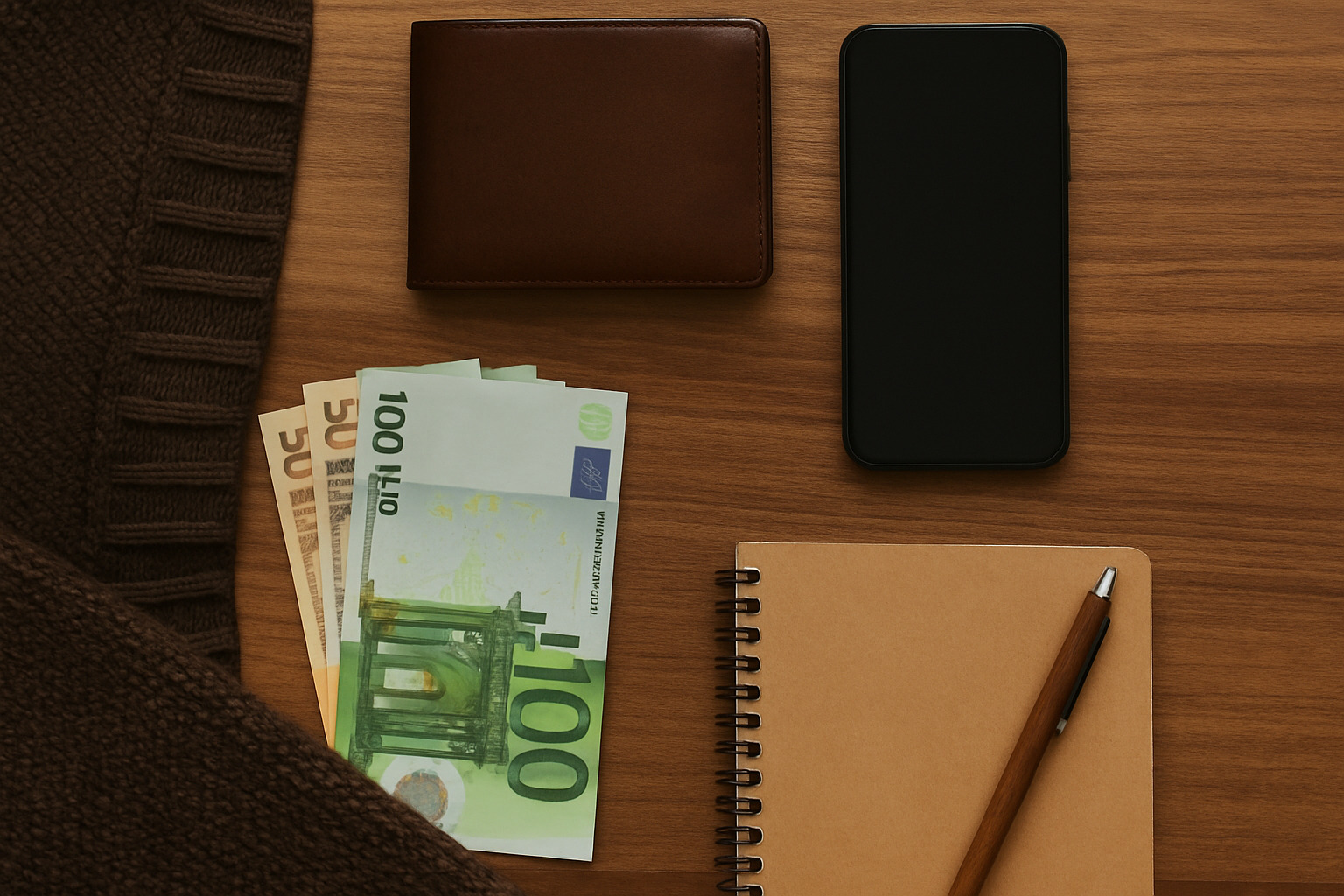
The Rise of “Considered Purchases”
Considered purchases have become one of the defining Irish trends of the last few seasons. After years marked by high inflation, rising living costs, and the long echo of economic uncertainty, consumers have developed a kind of financial self-awareness that feels both protective and optimistic.
Instead of impulse buying, people pause. They evaluate the lifespan of an item, its materials, its maker, its environmental or ethical footprint. The goal is no longer simply to buy — it is to buy wisely. Retailers across Ireland confirm this shift. The average shopper today is not reducing their spending; they are refining it. They choose fewer but better items, prioritising pieces that will last seasons, not weeks. Whether it's a coat from a small Irish designer, a high-quality kitchen appliance, or handmade ceramics, the decision-making process has become more reflective. Consumers are willing to invest more upfront if the long-term value justifies it.
Quality as a Form of Stability
There is a particular Irish logic in treating quality as a financial strategy. Cheap, short-lived goods often end up costing more — through replacements, repairs, inconvenience and frustration. High-quality items, whether clothing, electronics, or home goods, provide longevity and peace of mind. They reduce future spending, reduce waste, and reduce cognitive load. Financial minimalism in Ireland is, in many ways, a response to the fatigue caused by “false economy” behaviours — saving in the short term only to spend more in the long term. People are tired of items that break, subscriptions that pile up, and services that add stress instead of value. By choosing quality, Irish consumers are choosing stability. And stability has become one of the most sought-after emotional currencies in modern life.
The Value of Service and Experience
Financial minimalism isn’t limited to objects. It extends deeply into the world of services and daily logistics.
More and more Irish families invest in services that prioritise efficiency and reduce mental burden — reliable cleaning services, trusted tradespeople, high-quality childcare, or subscription models that streamline home essentials. Even digital services are part of this shift: people prefer fewer apps, but better ones; fewer subscriptions, but ones that genuinely improve their days. The logic is simple: a good service saves time, and time has become one of the most valuable resources in Irish society. After years of societal and digital acceleration, people want smoother routines, calmer mornings, and support systems that genuinely lighten the load. Financial minimalism becomes a way of protecting emotional well-being.
Durability as a Cultural Value
Ireland has always had a cultural respect for durability — from stone cottages that withstand Atlantic storms to wool garments passed through generations. This reverence for things that endure is now influencing modern financial behaviour.
Durable purchases are not old-fashioned. They are smart. They reflect a desire for fewer, better belongings:
• fewer clothes, but high-quality ones;
• fewer appliances, but reliable ones;
• fewer gadgets, but ones that don’t require constant upgrades.
This approach aligns with a broader cultural trend toward environmental awareness, but also with something more emotional: the comfort of living with things that last. Durability, in Ireland, is not merely a practical concept — it is part of the national aesthetic.
A Reaction to Overconsumption and Digital Exhaustion
A significant part of Ireland’s turn toward financial minimalism comes from a deep fatigue — not only economic, but psychological. After years of relentless advertising, discount cycles, flash-sales culture, and algorithmic pressure, people have grown acutely aware of how often they are pushed to spend. The result is a quiet, distinctly Irish rebellion: a refusal to be overstimulated. Consumers unsubscribe from cluttered mailing lists, mute apps that constantly demand attention, scroll past promotions without hesitation, and walk by a “bargain” unless it genuinely serves a purpose. This behaviour is not austerity and not frugality either. It is an act of self-preservation, a reclaiming of inner space, a deliberate effort to build a life centred on meaning rather than noise.
The New Economics of Calm
Financial minimalism is also reshaping how people approach savings and investments. Instead of focusing solely on accumulation, many Irish consumers now focus on balance: enough savings to feel secure, enough spending to feel alive, and enough intention to feel in control.
- This includes:
- — building small but stable emergency funds,
- — prioritising predictable expenses over chaotic ones,
- — avoiding unnecessary financial commitments,
- — valuing experiences that genuinely improve well-being.
The philosophy is not about tightening belts — it is about reducing unnecessary pressure.
More Mind, Less Clutter
The ultimate aim of Irish financial minimalism is not to own less for the sake of it, but to live more clearly. Money becomes a tool rather than a constant emotional weight. Spending becomes a deliberate act rather than a reaction. In a world overflowing with choice, the Irish approach leans toward clarity: a cleaner home, a calmer mind, a more meaningful relationship with belongings, and a lifestyle shaped by intention rather than impulse.
A New Irish Financial Identity
Ireland’s new spending culture is not a retreat from modern convenience — it is a refinement of it. The country is learning to balance comfort with consciousness, efficiency with emotion, and quality with mindfulness. People are not spending less; they are spending smarter. Not tightening their lifestyles, but elevating them. Not rejecting consumption, but redefining it.
Irish financial minimalism is becoming a quiet, steady expression of national character — a belief that true prosperity doesn’t come from having more, but from choosing better.