
Born from Protest
In the middle of the twentieth century, the Irish language was fading fast.
After the Great Famine and the waves of emigration that followed, English became the language of power and progress. By the 1960s, Irish was spoken mainly by older people in remote villages, not by the generation growing up with television and city jobs.
But on the western coast — in Donegal, Kerry, and Conamara — people refused to let it die. They wanted not lessons but life: newspapers, theatre, radio that sounded like them.
In 1969, community groups began to campaign for a Gaelic radio service. They wrote letters, marched through villages, and argued that a nation without its own voice was half-asleep.
Their persistence worked.
In April 1972, RTÉ launched Raidió na Gaeltachta, the first station to broadcast entirely in Irish.
The first words ever heard on air were simple and revolutionary:
“Seo Raidió na Gaeltachta, beo ó Chasla.”
“This is Raidió na Gaeltachta, live from Casla.”
For listeners across the Gaeltacht, it felt like the language had exhaled again after a century of silence.
Conamara: Where the Air Speaks
Casla is not a city. It is a village where the sea is closer than your neighbor, where the hills keep secrets and the rain seems to have memory.
To place the station here was deliberate: Conamara is the living archive of Irish speech. Linguists call it an acoustic sanctuary — a region where words preserve older rhythms and sounds lost elsewhere.
Words like “meidhir” — the joy of people working together — still appear in everyday talk and radio conversations.
When presenters begin a broadcast with “Maith an lá inniu i gConamara” — “It’s a good day in Connemara” — they are not quoting poetry. They are simply speaking as people have spoken for centuries.
Here, geography protects language. The wind itself seems to carry grammar, and the Atlantic breathes consonants through the microphones.
A Scientific and Cultural Experiment
Raidió na Gaeltachta is not just a radio station; it is a long-running experiment in social linguistics — proof that a language can be revived through sound. Researchers from the National University of Ireland in Galway began studying its impact soon after it launched. Within ten years, the decline in daily Irish speakers across the western counties had slowed.
The radio became a form of education without classrooms, a kind of open university of belonging. It did more than report the world; it reshaped it. Suddenly, the Irish language was not confined to classrooms or prayers — it was used for politics, sport, weather, gossip, and song. For young people growing up with RnaG, Irish was no longer the language of exams but of music and laughter. It became, once again, a language of feeling.
From Valves to Digital Breath
When technology changed, RnaG adapted. Today it broadcasts 24 hours a day across Ireland and far beyond — into kitchens in Boston, cafés in Toronto, headphones in Sydney. Everything that once hummed through a single transmitter now lives on RTÉ Player, TuneIn, and Spotify.
One of its most beloved modern programs, Beo ar Éigean (“Barely Alive”), features three women from Dublin discussing feminism, fatigue, and friendship entirely in Irish. Their voices are quick, funny, unfiltered. For many young listeners, it was the first time they’d heard Irish used with such confidence — not formal, not nostalgic, but alive. Raidió na Gaeltachta has managed what few institutions achieve: it kept its soul while changing its skin.
Language as Ecology
Linguists speak today of language ecology — the idea that languages are like species, surviving only within their natural environments.
Raidió na Gaeltachta is part of that environment. It connects fishermen in Kerry, poets in Donegal, and students in Dublin into a single soundscape. Each broadcast is a small act of preservation, a way to keep the linguistic ecosystem balanced against the monoculture of global English.
When a language dies, it takes with it a way of seeing the world — a sense of rhythm, emotion, and even time.
Irish, for example, often describes action as ongoing rather than complete. In its grammar, the present is always alive. And through RnaG, that worldview continues to breathe.
Resistance to Forgetting
In the 1980s, as television eclipsed radio, government officials considered shutting RnaG down. They argued it had low ratings, little commercial value. The people of Conamara answered with banners reading “ná dún ár raidió” — “Don’t close our radio.”
Thousands signed petitions and filled the airwaves with calls of protest. The government backed down. Since then, every bulletin, every folk song, every weather forecast has carried the quiet defiance of that moment. To speak Irish on the national airwaves is to refuse invisibility. To listen is to take part in that resistance.
The Pulse of Ireland
Today, Raidió na Gaeltachta remains a heartbeat beneath the noise of modern Ireland. While podcasts and TikTok trends come and go, its tone stays steady — calm, lyrical, unhurried. It doesn’t compete for attention; it simply exists, reminding listeners that culture can whisper and still be powerful.
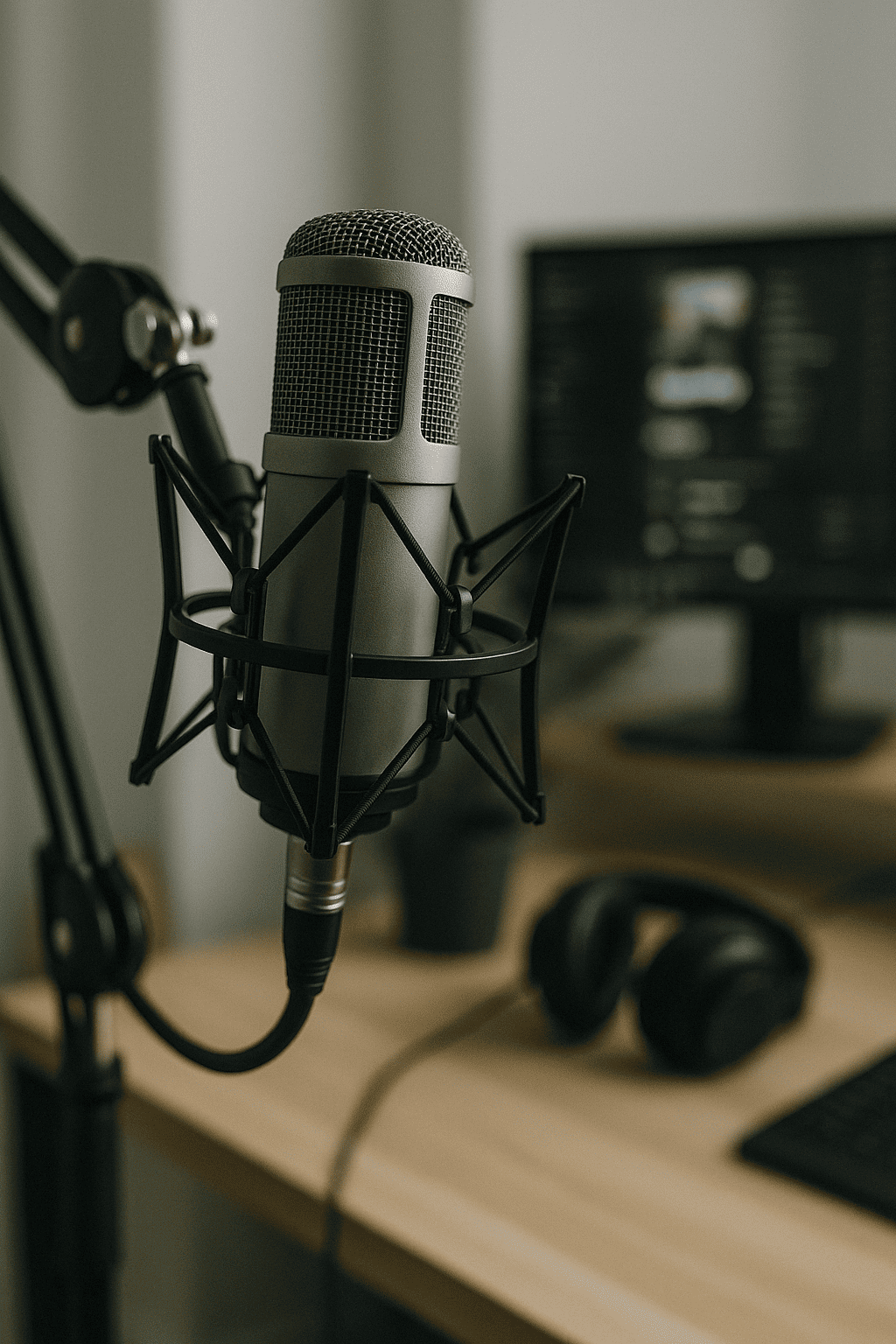
For many in the diaspora, tuning in is like opening a window onto home. The same hills, the same rain, the same accent of wind through the microphone. The old valve microphone now rests in the RTÉ museum, but its echo endures.
Raidió na Gaeltachta proves that a culture does not have to shout to survive. It can persist through quiet conviction, through a single sentence spoken in the language that almost vanished. When the presenter signs off with “Go raibh maith agat as éisteacht linn” — “Thank you for listening” — it is more than politeness. It is gratitude for a nation that still listens to itself.