
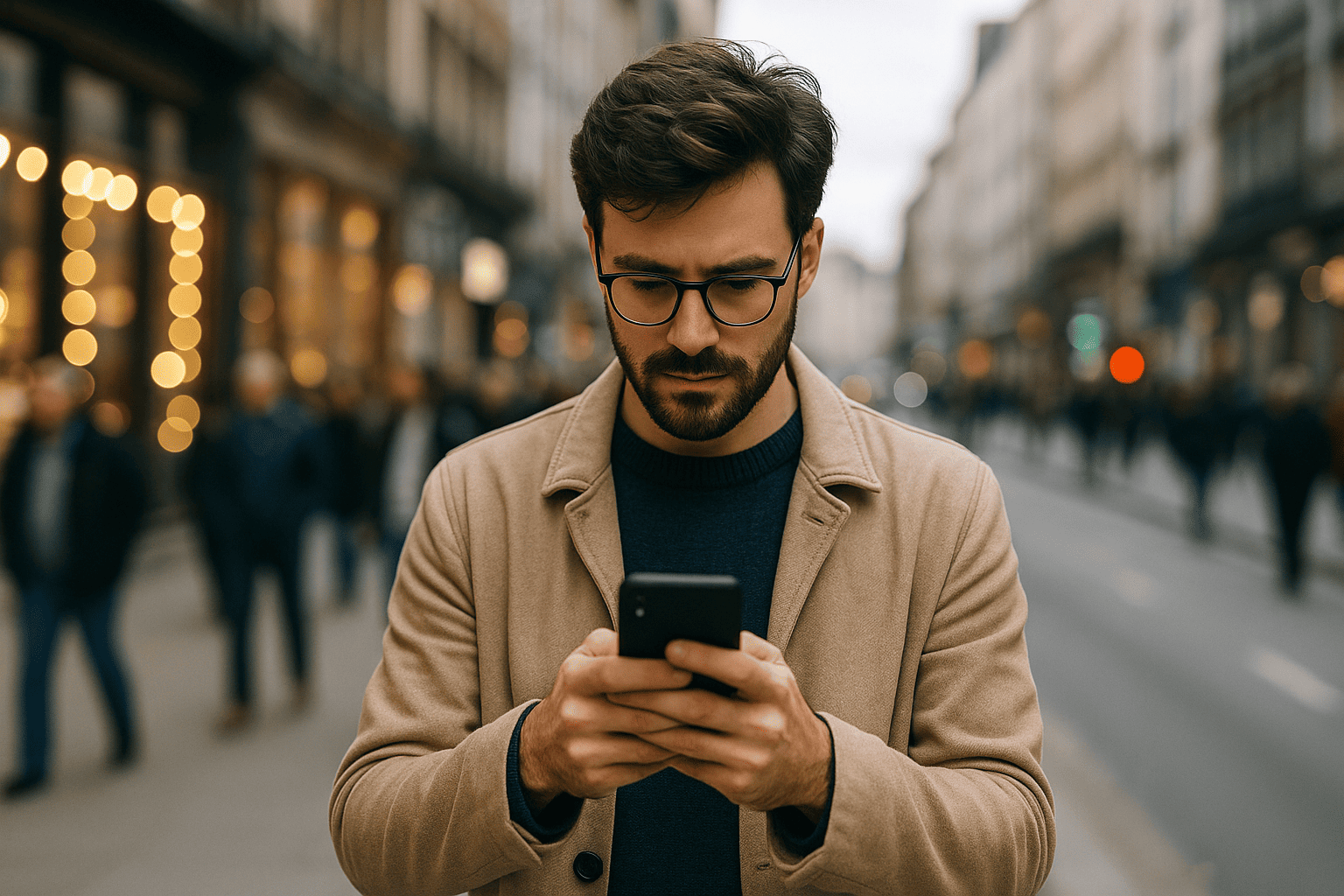
One of the most significant changes lies in how Irish people perceive attention. Attention is no longer a continuous thread; it has become a resource broken into dozens of short bursts throughout the day. Emotions are no longer lived in sequence. Anxiety, humour, irritation, brief inspiration — they now appear within a few seconds of each other while scrolling through a feed. Short videos replace television, micro-entertainment replaces articles, and memes have become a new emotional language. The Irish have grown accustomed to living in fragments, as though each day is composed of a hundred tiny feelings rather than one long narrative. In this environment, attention has become the country’s new currency, and anyone who can hold it even briefly gains influence that once belonged exclusively to major publications and broadcasters.
Alongside this transformation comes a new idea of digital identity. The days of “one person, one profile” are over. Today an Irish user may maintain multiple selves: a professional presence, a humorous account, a private circle, an anonymous discussion profile, and a gaming or entertainment identity. This layered digital existence no longer feels deceptive. In fact, it has become a new form of honesty, an acknowledgement that people express different parts of themselves in different environments. Flexibility is becoming a cultural trait in Ireland, one that shapes expectations, morals, and communication. This fluid, adaptive identity reflects a society learning to move more freely between its many roles.
Another noticeable change is the rising desire for digital quiet. After years of intense news cycles, political tension, and social conflict, the Irish — like many Europeans — are exhausted. But their response is not to abandon technology; instead, they search for gentler corners within the digital world. Relaxation apps have surpassed news platforms in growth for the first time in a decade. People turn to calming games, slow-paced livestreams, atmospheric videos, and podcasts where pauses matter as much as words. The digital sphere has become a sanctuary. Quiet is now a form of luxury, and seeking emotional comfort has turned into a daily routine.
At the same time, artificial intelligence has moved from a point of fascination or fear into an ordinary household tool. What once seemed radical now feels as natural as electricity or running water. Irish users rely on AI to write emails, structure ideas, learn languages, organise shopping lists, generate images, plan tasks, and analyse information. The initial fear surrounding AI has faded, replaced by a sense of control and practicality. Small businesses, freelancers, designers, writers, and creators now use AI to extend their own capabilities rather than replace them. The technology has become a cognitive support system, helping people reduce mental overload and reclaim their time.
All of this changes what leisure looks like. Irish people no longer seek long, structured forms of entertainment. They prefer short, bright, emotionally charged moments — mini-games, mobile experiences, quick challenges, small interactive shows, instant content, and compact platforms. This shift does not indicate superficiality; it reflects a new rhythm of attention. Intensity is more valuable than duration. Life is turning into a mosaic made of small pleasures that add colour to days compressed by digital speed and modern pressure.
Taken together, these developments suggest that Ireland is entering a quiet digital era. Technology no longer feels like an external force trying to dominate human behaviour. Instead, people are learning to direct it, to shape it, to filter it. Algorithms grow more sophisticated, but users become more selective, more deliberate, more aware of their own mental boundaries. The balance between the human world and the digital world is becoming more harmonious, not less. The digital domain is no longer an enemy or a threat. It is an extension of human experience — just as natural as morning coffee, a walk through the rain, or a conversation with a trusted friend.